
Attic Condensation in Salt Lake City, UT
Understanding Attic Condensation in Salt Lake City
Attic condensation is a common issue that many homeowners in Salt Lake City, UT, and other parts of the country face, especially during the winter months. It occurs when warm, moist air from the living spaces below rises into the cooler attic and comes into contact with cold surfaces, such as the roof deck or attic insulation. This temperature difference causes the air to release its moisture, leading to condensation on various surfaces within the attic. Over time, attic condensation can lead to a host of problems, including mold growth, structural damage, and decreased energy efficiency. Therefore, it’s crucial for homeowners to understand the causes of attic condensation and explore effective solutions to mitigate this issue.
Knowing the Weather and Insulation in Salt Lake City, UT
Salt Lake City, UT, experiences a semi-arid climate with cold, snowy winters and hot, dry summers. During the winter months, temperatures can drop well below freezing, creating a significant temperature differential between the heated living spaces and the unheated attic. This contrast in temperature becomes a key contributor to attic condensation issues in the region. Additionally, the low humidity levels during winter can exacerbate the potential for condensation, as the dry, indoor air seeks moisture in the attic space.
Effective insulation is crucial for homes in Salt Lake City, UT, in order to combat the extreme weather conditions. Traditional insulation materials, such as fiberglass or cellulose, may not provide adequate protection against attic condensation, as they can allow air and moisture to pass through. This is where spray foam insulation becomes a game-changer for homeowners in the region.
The Role of Spray Foam Insulation in Combating Attic Condensation
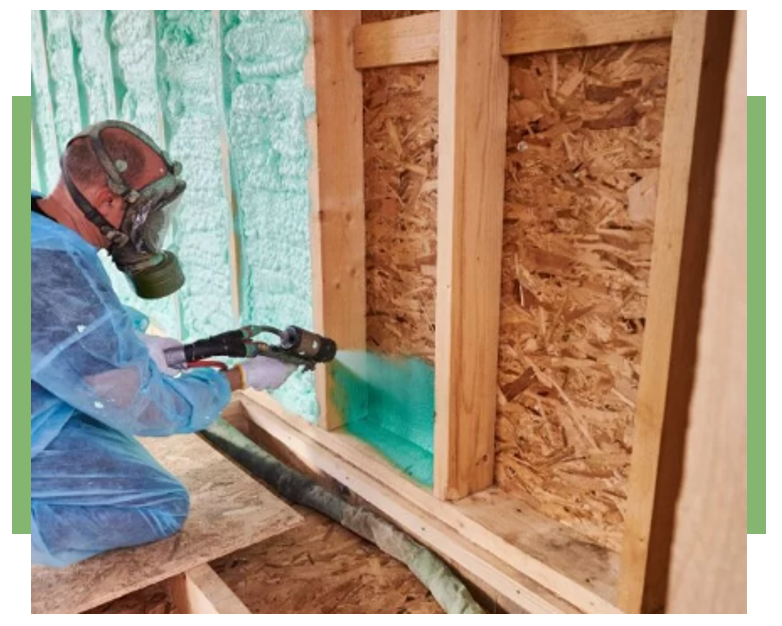
Spray Foam Genie is a leading provider of spray foam insulation. Customers who switch to spray foam insulation in their homes have seen savings of up to 40% on their monthly energy bills. The seal provided by open-cell and closed-cell spray foam insulation protects you and your home from mold and mildew damage.
Spray foam insulation, both open-cell and closed-cell, offers superior insulation and air-sealing capabilities compared to traditional materials. It creates an airtight barrier that prevents warm, moist air from infiltrating the attic space. This helps to maintain consistent temperatures throughout the home and reduces the likelihood of attic condensation occurring. Additionally, spray foam insulation is resistant to mold and mildew growth, further safeguarding the attic and the overall health of the home.
Now, let’s delve deeper to understand the causes of attic condensation and explore effective solutions that homeowners in Salt Lake City, UT can implement to address this pervasive issue.
Causes of Attic Condensation
Attic condensation can be caused by multiple factors, often exacerbated by the weather conditions and insulation choices in a specific region. For homeowners in Salt Lake City, UT, the following factors may contribute to attic condensation:
High Indoor Humidity: During the winter months, when homes are tightly sealed to retain heat, indoor humidity levels can rise significantly. When this moist air rises into the attic, it can lead to condensation on cooler surfaces. Consistently high indoor humidity is a key factor in attic condensation issues, especially in colder climates like Salt Lake City, UT.
Inadequate Ventilation: Poor attic ventilation can also contribute to condensation issues. Without proper airflow, moisture from the living spaces has no way to escape, leading to a buildup of condensation within the attic. In regions with cold winters, such as Salt Lake City, UT, effective attic ventilation is essential to prevent condensation.
Insufficient Insulation: Inadequate insulation levels or using the wrong type of insulation in the attic can result in temperature differentials that promote condensation. Traditional insulation materials may not provide the level of air sealing needed to prevent warm, moist air from reaching cold attic surfaces.
Solutions for Attic Condensation
Addressing attic condensation requires a comprehensive approach that targets the root causes of the issue. For homeowners in Salt Lake City, UT, the following solutions can help mitigate attic condensation problems:
Proper Humidity Control: Installing a whole-house dehumidifier can help regulate indoor humidity levels, particularly during the winter months. aintaining optimal humidity levels, homeowners can reduce the amount of moisture that rises into the attic, thereby lowering the risk of condensation.
Improved Ventilation: Ensuring proper attic ventilation is crucial for preventing condensation. Ridge vents, soffit vents, and attic fans can promote airflow, allowing moisture to escape and reducing the likelihood of condensation buildup. Proper ventilation is especially important in regions with cold winters, like Salt Lake City, UT.
Upgrade to Spray Foam Insulation: As mentioned earlier, spray foam insulation offers unmatched protection against attic condensation. By creating an airtight seal and providing superior insulation properties, spray foam can effectively prevent warm, moist air from reaching the attic space. Homeowners in Salt Lake City, UT, can benefit greatly from the installation of spray foam insulation to combat attic condensation.
Key point
In Salt Lake City, UT, homeowners face unique challenges when it comes to managing attic condensation. The region’s cold winters and dry indoor air can create an environment conducive to condensation issues. Understanding the causes and solutions for attic condensation is crucial for homeowners looking to protect their homes from structural damage, mold growth, and energy inefficiency. By implementing strategies such as proper humidity control, improved ventilation, and upgrading to spray foam insulation, homeowners in Salt Lake City, UT can effectively combat attic condensation and ensure the long-term health and performance of their homes.