
Closed Cell Insulation in Nashville, TN
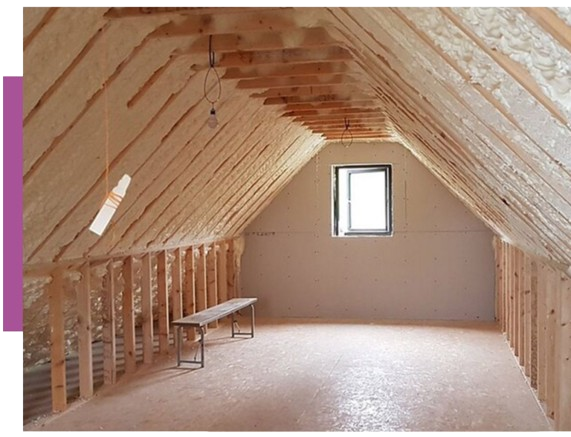
Closed-Cell Insulation: The Ultimate Solution for Your Nashville Home
Spray Foam Genie is a leading provider of spray foam insulation. Customers who switch to spray foam insulation in their homes have seen savings of up to 40% on their monthly energy bills. The seal provided by open-cell and closed-cell spray foam insulation protects you and your home from mold and mildew damage.
Living in Nashville, TN, you’re no stranger to the ever-changing weather patterns that characterize the region. From hot and humid summers to chilly winters, your home needs to be able to withstand the elements and provide a comfortable indoor environment year-round. When it comes to insulation, the choices can be overwhelming, but closed-cell insulation stands out as a reliable and efficient solution for your home in Nashville.
Closed-Cell Insulation
Closed-cell insulation is a type of spray foam insulation that provides a dense and impermeable barrier against heat, air, and moisture. It is composed of cells that are sealed, or closed, making it an excellent insulator and a perfect choice for homes in regions with varying climates, such as Nashville, TN.
One of the key advantages of closed-cell insulation is its exceptional ability to reduce energy consumption. Since Nashville experiences significant temperature fluctuations, especially during seasonal transitions, closed-cell insulation forms an airtight seal that prevents heat and cold from penetrating your home. This means that in the scorching summer months, your home can stay comfortably cool without putting excessive strain on your air conditioning, and in the winter, you can enjoy a cozy and warm interior, minimizing the need for constant heating.
Moreover, closed-cell insulation is moisture-resistant, making it an ideal choice for a climate like Nashville’s, where high humidity levels can pose a threat to traditional insulation materials. The impermeable nature of closed-cell insulation prevents the growth of mold and mildew, safeguarding the health and integrity of your home.
Benefits of Closed-Cell Insulation
1. Enhanced Energy Efficiency: With its high R-value, closed-cell insulation provides superior thermal resistance, reducing the transfer of heat and cold into and out of your home. This results in decreased energy consumption and lower utility bills, offering substantial long-term savings.
2. Moisture Resistance: Closed-cell insulation’s impermeable nature prevents moisture infiltration, which is essential for protecting your home from mold, mildew, and moisture-related damage. In a humid climate like Nashville, moisture resistance is a crucial aspect of home insulation.
3. Structural Support: Closed-cell insulation also provides structural support, strengthening the walls and roof of your home. This added rigidity can enhance the overall integrity of your home’s structure, making it more resilient against external elements and potential damage.
4. Sound Dampening: In addition to thermal benefits, closed-cell insulation acts as an effective sound barrier, reducing noise from the outdoors and between rooms within your home. This is particularly advantageous in urban areas or neighborhoods with high noise levels.
Installation Process
The installation of closed-cell insulation involves applying a specialized spray foam directly onto the surface of walls, ceilings, and other areas that require insulation. This spray foam expands and solidifies, forming a continuous and impermeable layer that effectively seals your home. Professional installation is crucial to ensure the proper application and coverage, and to maximize the insulation’s performance and longevity.
Given the intricate nature of closed-cell insulation installation, it is highly recommended to enlist the expertise of professional installers who are trained and experienced in working with spray foam insulation. By doing so, you can ensure that your home receives the full benefits of closed-cell insulation while avoiding potential issues that may arise from DIY or inexperienced installation attempts.
Cost Considerations
While the initial cost of closed-cell insulation installation may be higher than that of traditional insulation materials, its long-term benefits far outweigh the upfront investment. The energy savings, increased durability, and added structural support provided by closed-cell insulation make it a cost-effective and sustainable choice for homeowners in Nashville.
In fact, many homeowners who have opted for closed-cell insulation have reported significant reductions in their energy bills, with some seeing savings of up to 40% on their monthly expenses. When viewed from a long-term perspective, the initial investment in closed-cell insulation can translate into substantial cost savings and a higher return on investment for your home.
Environmental Impact
In addition to its financial benefits, closed-cell insulation is also an environmentally friendly choice. inimizing energy usage and reducing the overall carbon footprint of your home, closed-cell insulation contributes to a more sustainable living environment. As awareness of environmental conservation and energy efficiency continues to grow, choosing closed-cell insulation aligns with the principles of responsible and eco-conscious homeownership.
Lastly
For homeowners in Nashville, TN, the choice of insulation is not merely about maintaining a comfortable indoor environment, but also about protecting their homes from the challenges posed by the region’s climate. Closed-cell insulation emerges as a standout solution that addresses the diverse insulation needs of Nashville homes, offering comprehensive benefits that extend far beyond traditional insulation materials.
With its exceptional energy efficiency, moisture resistance, structural support, and environmental considerations, closed-cell insulation represents a forward-looking approach to home insulation. By investing in closed-cell insulation, you can secure a more sustainable and cost-effective future for your home, while enjoying the immediate advantages of a well-insulated, comfortable, and resilient living space.