
Condensation In Attic In Winter in Philadelphia, PA
Condensation in Attic in Winter: Causes, Prevention, and Solutions
Condensation in the attic during the winter months can be a significant concern for homeowners, especially in regions with colder climates like Philadelphia, PA. When warm, moist air from the living space rises into the attic and comes into contact with the cold surfaces, such as the roof decking or insulation, it can lead to condensation formation. This moisture buildup can cause various issues, including mold growth, wood rot, and deteriorating insulation. Understanding the causes, prevention methods, and solutions for condensation in the attic is crucial for maintaining a healthy and efficient home environment.
Causes of Condensation in the Attic
Several factors contribute to the formation of condensation in the attic during the winter. Understanding these causes is essential for implementing effective solutions.
1. Temperature Differential:
During the winter, the temperature inside the living space is typically higher than the outside temperature. Warm air rises to the attic and comes into contact with the cooler surfaces, leading to condensation.
2. Inadequate Ventilation:
Poor attic ventilation can exacerbate condensation issues. Without proper airflow, moist air becomes trapped in the attic, increasing the likelihood of condensation.
3. Air Leaks:
Air leaks from the living space into the attic can introduce excess moisture into the attic environment, contributing to condensation issues.
Weather and Insulation Considerations for Philadelphia, PA
Philadelphia, PA experiences cold winters, with temperatures often dropping below freezing. Additionally, the region is prone to snowfall, which can add extra moisture to the outdoor air. These weather conditions can further contribute to the potential for condensation in attics.
Effective insulation is crucial for homes in Philadelphia to combat the cold temperatures and minimize heat transfer. Common insulation materials such as fiberglass, cellulose, and spray foam are used in the region. However, the varying seasons and temperature fluctuations in Philadelphia require a well-insulated attic to maintain comfortable indoor temperatures and prevent condensation-related problems.
Preventing Condensation in the Attic
Preventing condensation in the attic involves a combination of strategies that address ventilation, insulation, and moisture control. Here are some effective preventive measures:
1. Proper Ventilation:
Installing vents, such as soffit vents and ridge vents, promotes air circulation in the attic, allowing moisture to escape and reducing the risk of condensation.
2. Air Sealing:
Identifying and sealing air leaks between the living space and the attic can help prevent the transport of warm, moist air into the attic, reducing the potential for condensation.
3. Insulation Upgrade:
Ensuring adequate insulation levels in the attic helps maintain consistent temperatures, reducing the likelihood of condensation forming on cold surfaces.
Solutions for Existing Condensation Issues
If condensation issues have already developed in the attic, it’s essential to address them promptly to prevent further damage and maintain a healthy home environment.
1. Addressing Ventilation:
Installing or improving existing attic ventilation can help alleviate condensation issues. This may involve adding or modifying vents to promote better airflow.
2. Upgrading Insulation:
If the existing insulation is inadequate or damaged due to condensation, upgrading to an effective solution, such as spray foam insulation, can help address the underlying issues while improving energy efficiency.
3. Moisture Management:
Implementing measures to reduce moisture levels in the living space, such as proper use of exhaust fans in kitchens and bathrooms, can help minimize the amount of moisture that enters the attic.
The Role of Spray Foam Insulation
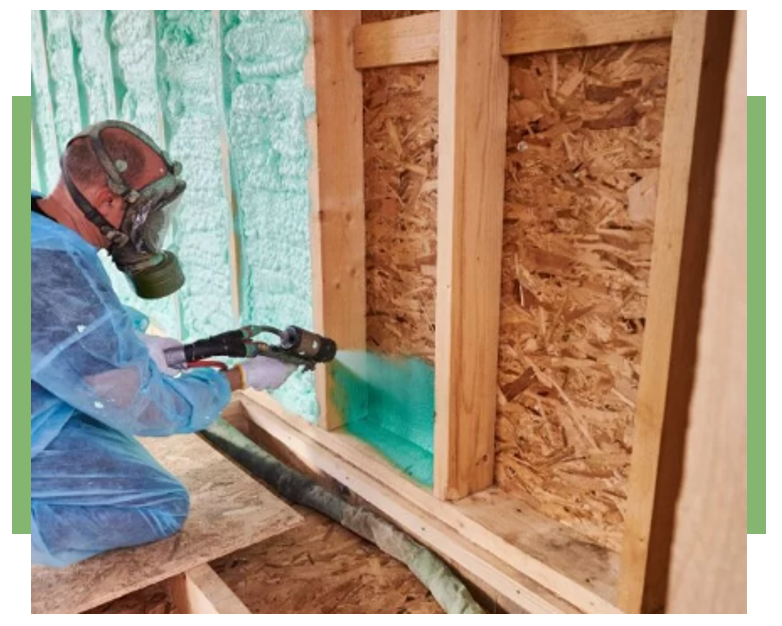
Spray Foam Genie is a leading provider of spray foam insulation. Customers who switch to spray foam insulation in their homes have seen savings of up to 40% on their monthly energy bills. The seal provided by open-cell and closed-cell spray foam insulation protects you and your home from mold and mildew damage.
When it comes to addressing condensation in the attic, spray foam insulation offers several advantages:
1. Air Sealing:
Spray foam insulation effectively seals gaps and voids, preventing warm, moist air from infiltrating the attic and causing condensation issues.
2. Thermal Performance:
Spray foam insulation provides exceptional thermal resistance, helping to maintain consistent temperatures in the attic and reducing the risk of condensation on cold surfaces.
3. Moisture Control:
The closed-cell structure of spray foam insulation acts as a barrier to moisture, reducing the potential for condensation and inhibiting mold growth.
4. Long-Term Benefits:
With its durability and longevity, spray foam insulation offers long-term protection against condensation-related problems, making it a valuable investment for homeowners in Philadelphia, PA.
Wrapping up
Condensation in the attic during winter poses a significant challenge for homeowners, particularly in colder regions like Philadelphia, PA. Understanding the causes and implementing preventive measures, such as proper ventilation, air sealing, and insulation upgrades, is crucial for mitigating condensation issues. In addressing existing condensation problems, solutions like improving ventilation, upgrading insulation, and considering spray foam insulation can effectively combat the underlying issues while enhancing energy efficiency and indoor comfort.
By taking proactive steps to manage condensation in the attic, homeowners can safeguard their homes from potential damage and maintain a healthy and efficient living environment, even during the coldest winter months.