
Faced Vs Unfaced Insulation in Philadelphia, PA
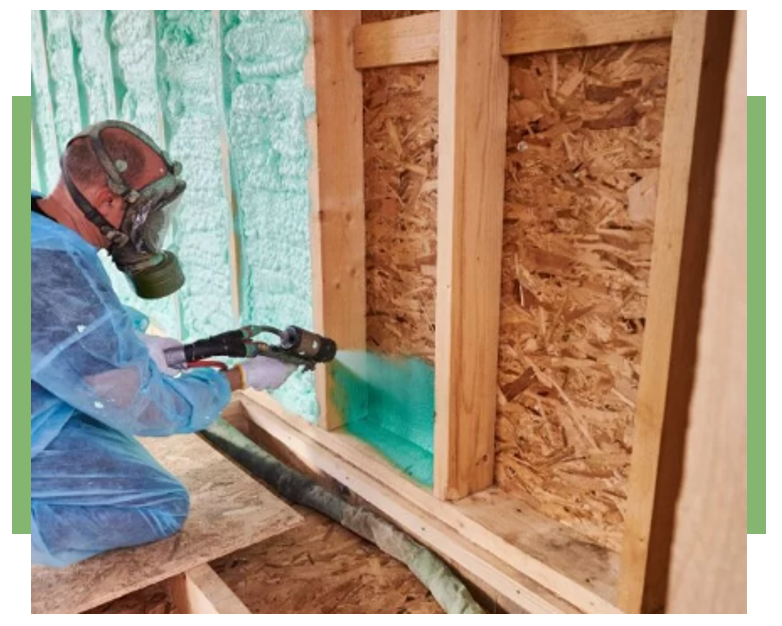
Choosing the Right Home Insulation for You
Philadelphia, PA, is known for its diverse weather conditions, from cold, snowy winters to hot and humid summers. As a homeowner in this region, it’s essential to consider the insulation in your home to maintain a comfortable indoor environment throughout the year. Your choice of insulation type, whether faced or unfaced, can significantly impact your home’s energy efficiency and overall comfort. Understanding the differences between faced and unfaced insulation is crucial in making informed decisions about your home’s insulation needs.
Faced Insulation
Faced insulation consists of a vapor retarderusually made of kraft paper, foil, or plasticattached to one side of the insulation material. This vapor retarder acts as a barrier to prevent moisture from penetrating into the insulation. In regions like Philadelphia, where temperature and humidity levels vary, faced insulation can be particularly beneficial. The vapor retarder helps to control moisture and condensation, reducing the risk of mold and mildew growth within the walls, ceilings, and floors of your home.
Additionally, faced insulation provides a better thermal barrier, helping to maintain consistent indoor temperatures. The vapor retarder limits the movement of water vapor, enhancing the overall energy efficiency of your home. This feature can lead to cost savings on heating and cooling expenses, making it an attractive option for homeowners seeking to reduce their energy bills.
When installing faced insulation, it’s essential to ensure that the vapor retarder is properly aligned and sealed to prevent any gaps or punctures. Proper installation is key to maximizing the benefits of faced insulation and avoiding potential moisture-related issues in your Philadelphia home.
Understanding Unfaced Insulation
Unfaced insulation, on the other hand, does not have a vapor retarder attached to it. This type of insulation is often used in areas where moisture control is less of a concern, such as interior walls and floors. While unfaced insulation may not provide the same level of moisture protection as faced insulation, it offers its own set of advantages, particularly in regions with varying seasonal temperatures like Philadelphia.
Unfaced insulation allows for more flexibility during installation, as it can be easily customized to fit various wall cavities and spaces. This versatility makes it a practical choice for homeowners looking to insulate specific areas of their homes, such as attics, where moisture control may not be as critical. Additionally, since there is no vapor retarder, unfaced insulation allows for better breathability and moisture evaporation within the insulation material, reducing the risk of trapped moisture and potential mold issues.
In Philadelphia, where both cold winters and humid summers can create unique challenges for home insulation, the choice between faced and unfaced insulation should be carefully considered based on the specific requirements of each area within your home.
Pros and Cons of Faced and Unfaced Insulation
While faced and unfaced insulation each have their advantages, it’s essential for homeowners to weigh the pros and cons of each type when making decisions about home insulation.
Pros of Faced Insulation:
– Effective moisture control, reducing the risk of mold and mildew growth
– Improved thermal performance, leading to energy cost savings
– Easier identification of the vapor barrier during installation
Cons of Faced Insulation:
– Limited flexibility for specific installation needs
– Higher risk of improper installation and damage to the vapor retarder if not handled carefully
– Higher initial cost compared to unfaced insulation
Pros of Unfaced Insulation:
– Versatility and ease of customization for various installation locations
– Better breathability and moisture evaporation, reducing the risk of trapped moisture
– Lower initial cost compared to faced insulation
Cons of Unfaced Insulation:
– Limited moisture control, potentially requiring additional moisture barrier installation in certain areas
– Higher risk of improper installation, leading to reduced effectiveness
Making the Right Choice for Your Philadelphia Home
When deciding between faced and unfaced insulation for your Philadelphia home, several factors should be considered to ensure the optimal performance of your insulation:
1. Location: Evaluate the specific areas within your home that require insulation. Consider the moisture levels, temperature variations, and the potential for condensation in each space.
2. Climate Considerations: Take into account the unique weather conditions in Philadelphia, including humidity levels, temperature fluctuations, and seasonal changes, to determine the most suitable insulation type for your home.
3. Installation Requirements: Determine the feasibility of installing faced or unfaced insulation based on the construction and layout of your home. Consider the need for specialized installation techniques in certain areas.
4. Long-Term Benefits: Assess the long-term benefits of both faced and unfaced insulation, including energy cost savings, maintenance requirements, and the potential impact on indoor air quality.
By carefully evaluating these factors, homeowners in Philadelphia can make informed decisions about the type of insulation that best suits their specific needs, ensuring a comfortable and energy-efficient home environment year-round.
Concluding remarks
Choosing the right insulation for your Philadelphia home is crucial for maintaining comfort and energy efficiency. Faced and unfaced insulation each offer unique advantages and considerations, and making the right choice hinges on knowing the specific requirements of your home and the environmental factors at play. Whether you opt for the moisture control benefits of faced insulation or the versatility of unfaced insulation, investing in quality insulation is a proactive step toward creating a comfortable and sustainable living space for years to come.