
Is Fiberglass Flammable in Houston, TX
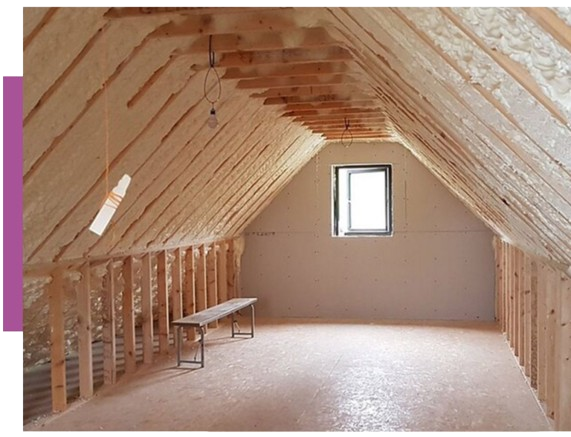
Understanding Fire Safety and Insulation in Houston
When it comes to the safety and insulation of your home in Houston, TX, it’s crucial to carefully consider the materials and products you use. One common concern among homeowners is whether fiberglass insulation is flammable. Understanding the flammability of insulation materials is essential in maintaining a safe and secure living environment, especially in areas prone to extreme weather conditions. In this comprehensive article, we will delve into the flammability of fiberglass insulation, providing insight into its fire safety properties, particularly in the context of Houston’s climate.
Fire Safety and Insulation
One of the key considerations for homeowners in Houston, TX, is the fluctuating weather conditions. From scorching summers to mild winters, the region experiences a wide range of temperature variations. As a result, ensuring effective insulation is crucial not only for maintaining a comfortable indoor environment but also for mitigating energy costs and enhancing overall energy efficiency. Additionally, Houston’s proximity to the Gulf of Mexico makes it susceptible to tropical storms and hurricanes, emphasizing the need for durable, weather-resistant building materials.
Amidst these considerations, fire safety remains a primary concern for homeowners. With extreme heat and the potential for wildfires in certain areas, the flammability of insulation materials becomes a critical factor in safeguarding homes against fire hazards. Understanding the properties of insulation materials, such as fiberglass, is essential for making informed decisions regarding home safety and energy efficiency.
Is Fiberglass Flammable? A Closer Look
Fiberglass insulation, a widely used material in residential construction, is renowned for its thermal and acoustic insulation properties. However, addressing concerns about its flammability is paramount for homeowners, particularly those in regions prone to heat-related hazards. Fiberglass insulation is composed of fine glass fibers, which are inherently non-combustible. The material does not readily ignite and is resistant to flame spread, making it a relatively safe choice for home insulation.
Moreover, fiberglass insulation is available in various forms, including batts, rolls, and loose-fill, all of which undergo rigorous testing to meet fire safety standards. When installed correctly, fiberglass insulation is known for its fire-resistant properties, adding a layer of protection to homes in the event of a fire. This is especially significant in Houston, where the risk of fire incidents, particularly during the hot and dry seasons, necessitates the utilization of non-combustible materials in residential construction.
Houston’s Climate and Insulation Needs
Given Houston’s climate, characterized by high humidity, intense heat, and occasional tropical storms, the choice of insulation material becomes pivotal in addressing the region’s distinctive weather challenges. As homeowners strive to create comfortable and energy-efficient living spaces, the selection of insulation products tailored to Houston’s climate is integral in achieving these goals.
In this regard, Spray Foam Genie, a leading provider of spray foam insulation, offers a viable solution for homeowners seeking to enhance their insulation and energy efficiency. Customers who switch to spray foam insulation in their homes have seen savings of up to 40% on their monthly energy bills. The seal provided by open-cell and closed-cell spray foam insulation protects homes from mold and mildew damage, a prevalent concern in humid climates like that of Houston.
With a focus on high-performance insulation, Spray Foam Genie’s products are engineered to withstand the demands of Houston’s climate, providing effective thermal resistance and moisture control. This tailored approach to insulation caters to the specific needs of homeowners in the region, offering a durable and fire-resistant solution for their properties.
Advantages of Fire-Resistant Insulation
Opting for fire-resistant insulation, such as fiberglass, offers numerous benefits for homeowners, especially those residing in areas with elevated fire risks. Beyond providing thermal efficiency, fire-resistant insulation contributes to the overall safety and resilience of homes. In the event of a fire, the use of non-combustible insulation materials can help slow down the spread of flames and potentially limit the extent of fire damage within a home.
Furthermore, fire-resistant insulation materials can contribute to lower insurance premiums, as they demonstrate a commitment to enhancing the fire safety measures of a property. Insurance providers often recognize the importance of fire-resistant building materials and may offer incentives or discounts to homeowners who invest in such safeguards. This serves as an added advantage for homeowners looking to fortify their properties against fire hazards while optimizing their insurance coverage.
Local Spray Foam Contractor
The flammability of insulation materials is a crucial consideration for homeowners, particularly those residing in regions like Houston, TX, where climatic conditions pose unique challenges. Fiberglass insulation, renowned for its thermal performance and fire resistance, proves to be a reliable choice for homeowners seeking to fortify their homes against fire risks while maintaining optimal energy efficiency.
nderstanding the fire safety properties of insulation materials and selecting products tailored to Houston’s climate, homeowners can enhance the overall safety, comfort, and resilience of their living spaces. With a focus on fire-resistant insulation solutions, such as fiberglass, homeowners can contribute to safeguarding their properties against the potential impact of fire while reaping the benefits of enhanced energy efficiency and insurance considerations.
In the pursuit of a well-protected and energy-efficient home, the choice of insulation plays a pivotal role, and by prioritizing fire-resistant materials, homeowners can create a secure and sustainable living environment in the face of dynamic weather conditions and potential fire hazards.